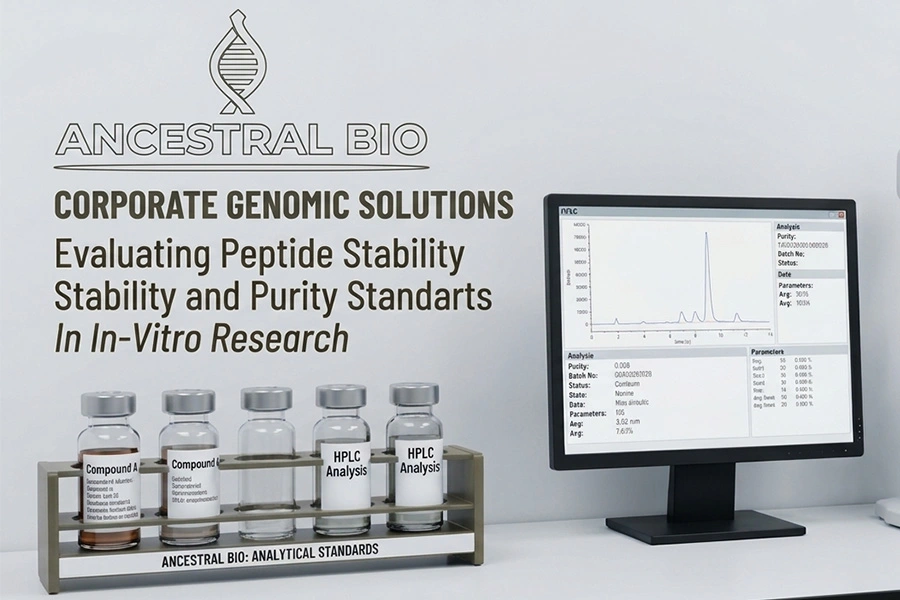
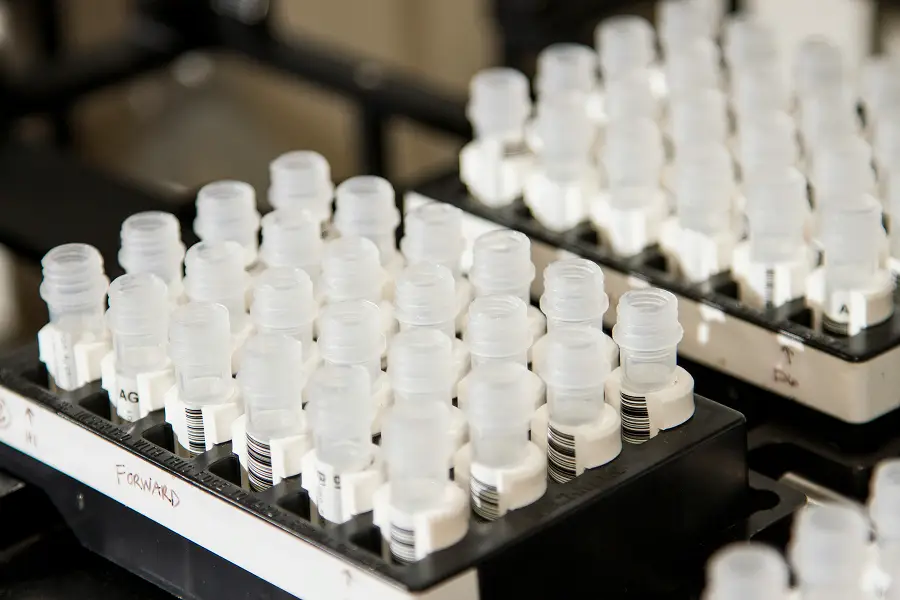
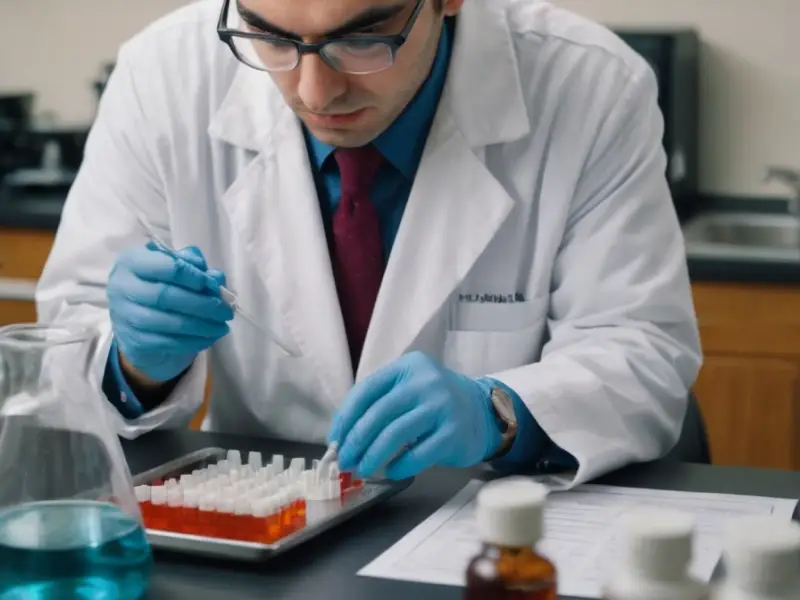
Explore best practices for preserving synthetic peptide stability, proper lyophilization storage protocols, solvent selection, and verifying compound purity through third-party HPLC and mass spectrometry Certificates of Analysis.
A comprehensive analysis of environmental controls, buffer pH stabilization, and analytical verification standards required for consistent in-vitro research outcomes.
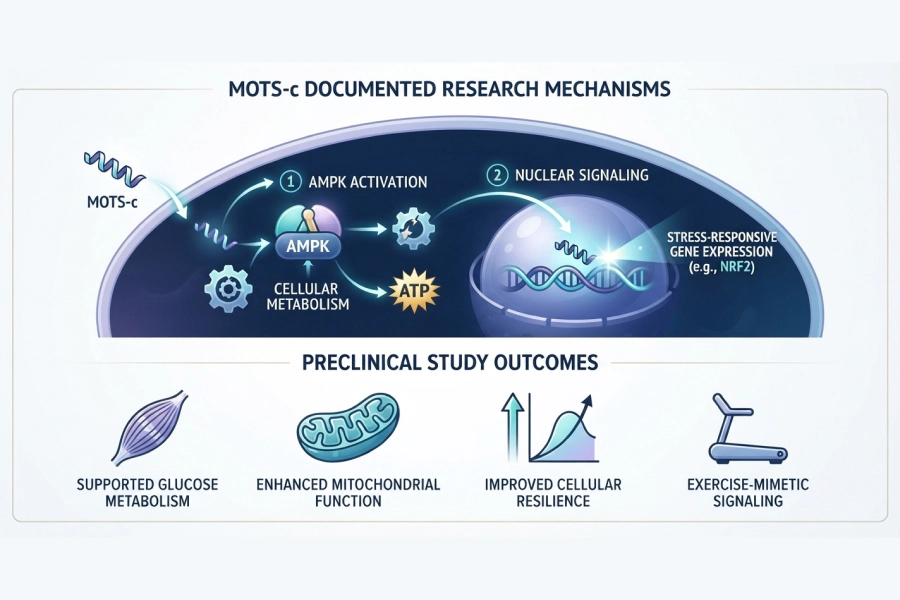
Standard operating procedures for managing mitochondrial research peptides during cellular assays. Discover best practices for room temperature equilibration, gentle dissolution, and long-term aliquot storage.
Explore essential handling and reconstitution protocols for nootropic research peptides in cell culture assays. Learn temperature controls, solvent compatibility, and storage best practices to maintain assay integrity.
Maintaining the structural integrity of synthetic peptides is the foundation of reliable laboratory data. Review the strict environmental controls, temperature guidelines, and sterile handling protocols required for accurate in-vitro peptide research.
Accurate laboratory data starts with verified chemical integrity. Discover why lot-specific Certificates of Analysis (CoAs) and rigorous third-party testing are non-negotiable requirements for independent in-vitro peptide research.
Maintaining structural integrity and strict batch consistency is critical to any successful protocol. Learn why independent third-party testing is the standard for modern laboratory environments.
Protect the integrity of your in-vitro research with proper laboratory decontamination protocols. Review the essential sterile workspace preparation techniques required to prevent cross-contamination during sensitive peptide analysis.
Join Ancestral Bio and get exclusive research peptide discounts.
You must be at least 21 to visit this site.
By entering this site, you are accepting our Terms and Conditions.
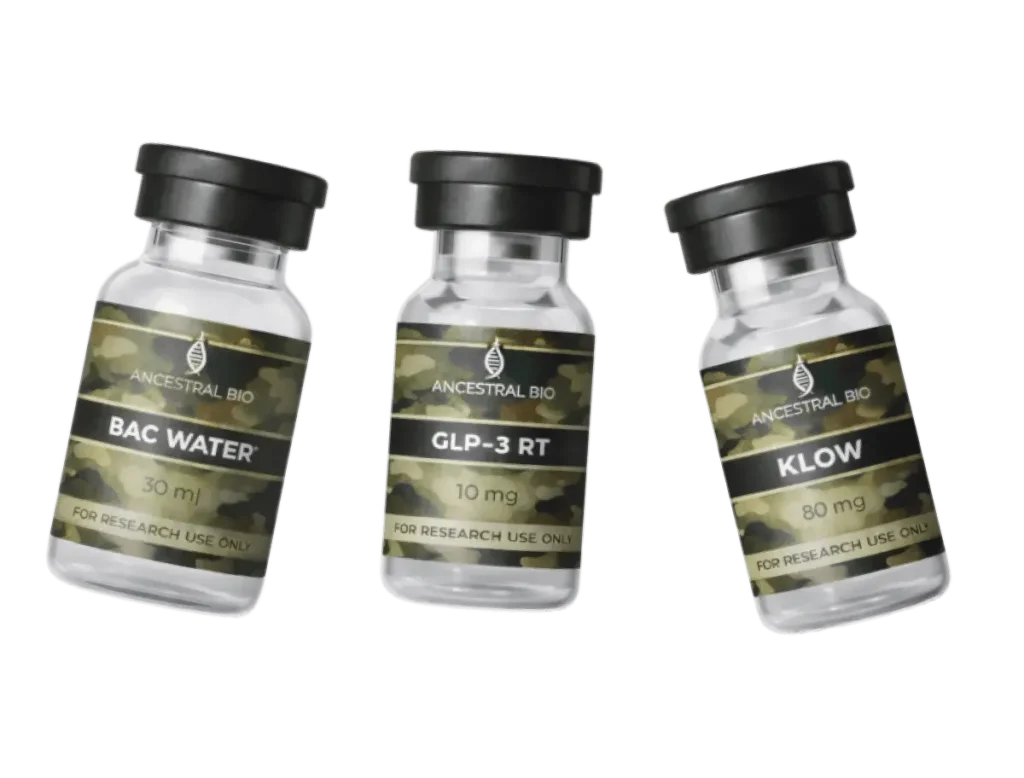
All compounds available at Ancestral Bio are sold individually and do not include research supplies such as bacteriostatic water, syringes, or other accessories. Most products are provided in lyophilized (powder) form and require proper reconstitution with a suitable diluent before use in research settings.