
In the realm of advanced laboratory research, the integrity of any study is directly tied to the purity of its chemical constituents. Operating with unverified compounds introduces uncontrollable variables, potentially skewing data and rendering hours of empirical observation unusable. For researchers mapping out complex biological pathways or testing chemical degradation, securing a verifiable baseline is the foundational step of any successful protocol.
The Role of Independent Third-Party Testing Internal quality control is a standard practice for any facility, but independent, third-party testing provides an objective, sterile layer of verification. Utilizing high-level analytical techniques such as High-Performance Liquid Chromatography (HPLC) ensures that the molecular weight and purity of a compound match its exact chemical profile without inherent manufacturer bias.

By relying on external analytical laboratories, research teams can guarantee two critical factors:
- Purity Validation: Confirms the absolute concentration of the active compound, ruling out the presence of heavy metals, residual solvents, or synthetic byproducts that could compromise a study.
- Batch-to-Batch Consistency: Ensures that a compound sourced in Q1 behaves identically to a compound sourced in Q4, maintaining longitudinal study integrity and eliminating chemical variance.
For a detailed breakdown of the exact analytical metrics we require before inventory is approved, along with other common protocol inquiries, you can review our Q&A page
Understanding Lot-Specific Certificates of Analysis (CoAs) A generic Certificate of Analysis simply indicates that a facility is capable of producing a pure compound at a given point in time. A lot-specific CoA, however, guarantees that the exact batch currently being delivered to your laboratory has been empirically verified.
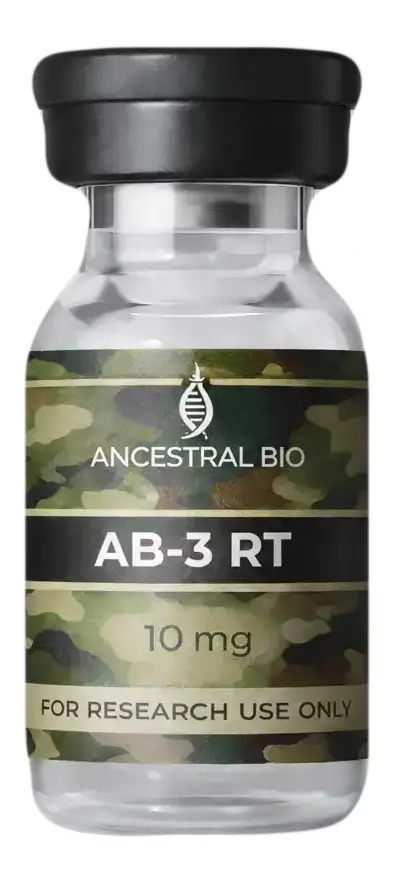
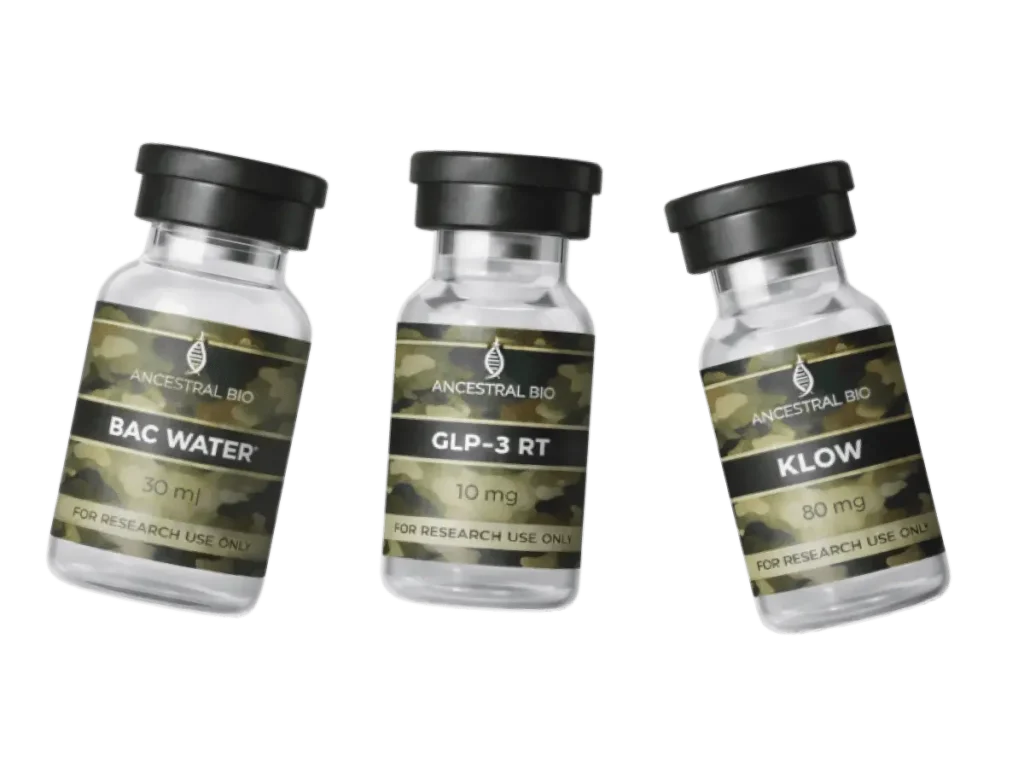
When evaluating research compounds like our AB-3 RT research peptide for upcoming protocols, isolating suppliers who mandate transparent, lot-specific documentation is a critical risk mitigation strategy. It removes assumptions from the supply chain and replaces them with hard data.
Conclusion Precision in the laboratory cannot exist without precision in sourcing. By prioritizing strict third-party verification and analyzing individual batch data, research facilities can completely eliminate baseline variables. This allows lead researchers to focus entirely on advancing their core hypotheses with absolute confidence in their materials.