Optimizing Stability: Best Practices for Storing and Handling Research Peptides
Maintaining the structural integrity of synthetic peptides is the foundation of any reliable laboratory experiment. Even minor fluctuations in temperature, light exposure, or handling techniques can cause rapid peptide degradation, leading to compromised data in cellular assays.
For independent researchers utilizing Ancestral Bio’s high-purity compounds for in-vitro laboratory experimentation, strictly adhering to environmental controls is non-negotiable. Here are the standard protocols for preserving peptide stability and ensuring accurate analytical results.
Temperature Control and Storage States
The physical state of the peptide dictates its thermal requirements. Synthetic neuro-peptides and metabolic analogs are highly susceptible to thermal degradation if left at ambient room temperature for extended periods.
- Lyophilized Powders: In their freeze-dried state, unconstituted peptides should be stored in a freezer at -20°C (or -80°C for long-term preservation exceeding six months). Ensure the vial remains sealed to prevent ambient moisture from compromising the internal vacuum.
- Reconstituted Solutions: Once dissolved in a solvent, the peptide structure becomes significantly more fragile. Liquid suspensions must be stored in a refrigerator between 2°C and 8°C and should typically be utilized in your in-vitro research within 20 to 30 days before degradation impacts receptor binding efficiency.
Sterile Reconstitution Protocols
Introducing bacteria or contaminants during the mixing phase will immediately invalidate tissue culture results and compromise the testing environment.
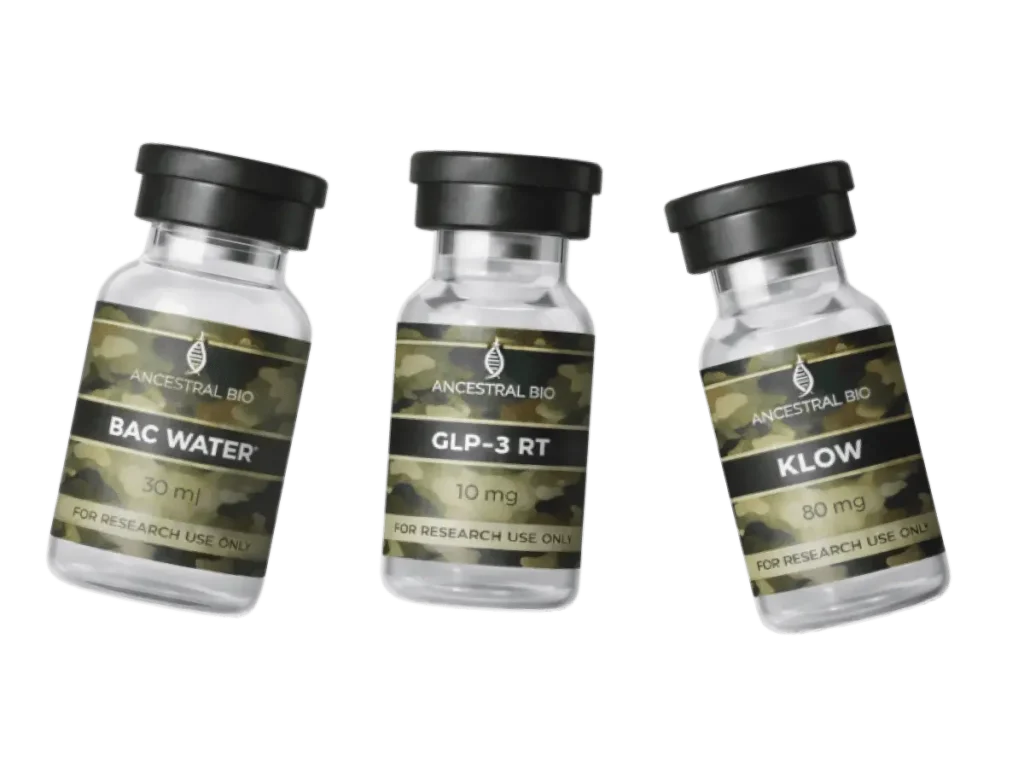
- Solvent Selection: Hospira Bacteriostatic Water (containing 0.9% benzyl alcohol) is the standard for preventing microbial growth during prolonged in-vitro studies. Sterile water or specialized pH buffers may be required depending on the specific peptide’s solubility profile.
- Mechanical Agitation: Peptide bonds are notoriously delicate. When adding the solvent, direct the fluid flow against the glass wall of the vial rather than directly onto the lyophilized puck. Gently swirl the vial to dissolve the compound. Never shake the vial, as mechanical shear stress can instantly cleave the peptide sequences.
Light and Moisture Mitigation
Ultraviolet (UV) light accelerates oxidation, which breaks down the molecular structure of sensitive compounds.
- Always store both lyophilized and reconstituted vials in a dark environment away from direct laboratory lighting.
- If working extensively in a brightly lit environment, utilize amber-tinted glassware to filter out damaging UV wavelengths.
- Allow frozen vials to reach room temperature before unsealing them; opening a cold vial prematurely causes rapid condensation, introducing destructive moisture to the powder.
Implementing these environmental safeguards ensures that research materials maintain their verified structural integrity throughout the duration of your laboratory testing.
Ancestral Bio, In-Vitro Research, Laboratory Protocols, Lyophilized Peptides, Peptide Reconstitution, Peptide Stability