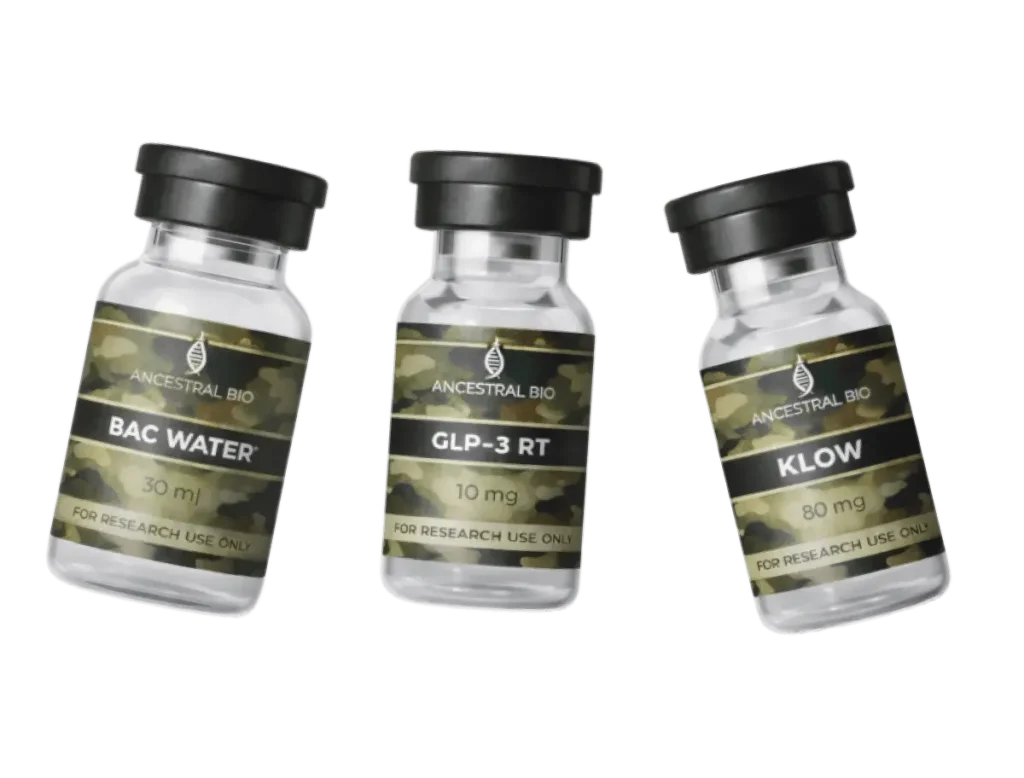
In-Vitro Assay Standardization: Environmental Controls & Quality Verification in Laboratory Peptide Analysis
Maintaining analytical precision across quantitative laboratory assays requires rigorous standardization of experimental parameters. In cellular and molecular biology research, small deviations in environmental conditions, reagent purity, or buffer composition can alter baseline biological activity and lead to irreproducible data. Establishing clear technical protocols for in-vitro assay standardization is essential for ensuring consistency across experimental replicates.
Key Environmental Controls in Laboratory Assays
To evaluate the biological interactions of synthetic peptide compounds, laboratory environments must maintain strict physical and chemical controls:
- pH Stabilization: Reagent buffers must maintain strict physiological pH ranges (typically 7.2 to 7.4) using appropriate buffering agents (such as HEPES or PBS) to prevent premature enzymatic degradation or structural denaturation.
- Thermal Regulation: Temperature fluctuations disrupt binding kinetics. Assays require automated thermal control accurate to within ±0.1°C to preserve enzymatic reaction rates.
- Solvent & Reconstitutive Compatibility: Proper solubilization techniques using sterile bacteriostatic water or designated aqueous vehicles are critical for maintaining molecular stability prior to assay introduction.
Analytical Quality Verification & Purity Standards
Experimental reliability relies directly on the chemical purity and batch integrity of target compounds. Incorporating high-purity research materials verified through standardized testing protocols minimizes background noise and unintended solvent artifacts in assay readings.
Rigorous quality assurance involves multi-point verification standards:
- 7-Point Identity & Purity Testing: Utilizing High-Performance Liquid Chromatography (HPLC) and Mass Spectrometry (MS) to verify molecular weight, structural identity, and absolute chemical purity.
- Batch Conformity Verification: Evaluating multi-vial samples across manufacturing runs to ensure consistency in lyophilized cake mass and reconstitution rates.
- Heavy Metal & Impurity Screening: Ensuring zero interference from trace synthesis reagents or heavy metal contaminants during cellular incubation.
For detailed safety parameters, receptor binding assays, and liquid handling procedures across specialized research lines, explore our technical guides on Mitochondrial Peptide Protocols and Nootropic Peptide Research Protocols.
Conclusion
Standardizing assay conditions and verifying compound purity form the foundation of reproducible in-vitro research. By establishing controlled buffer environments and utilizing analytical-grade research materials, laboratories can achieve accurate, publishable assay data across experimental models.
Disclaimer: All products and technical information provided by Ancestral Bio are strictly intended for in-vitro laboratory research and diagnostic testing only. They are NOT for human or veterinary consumption.
Assay Controls, cGMP, In-Vitro, Peptide Analysis, Quality Verification