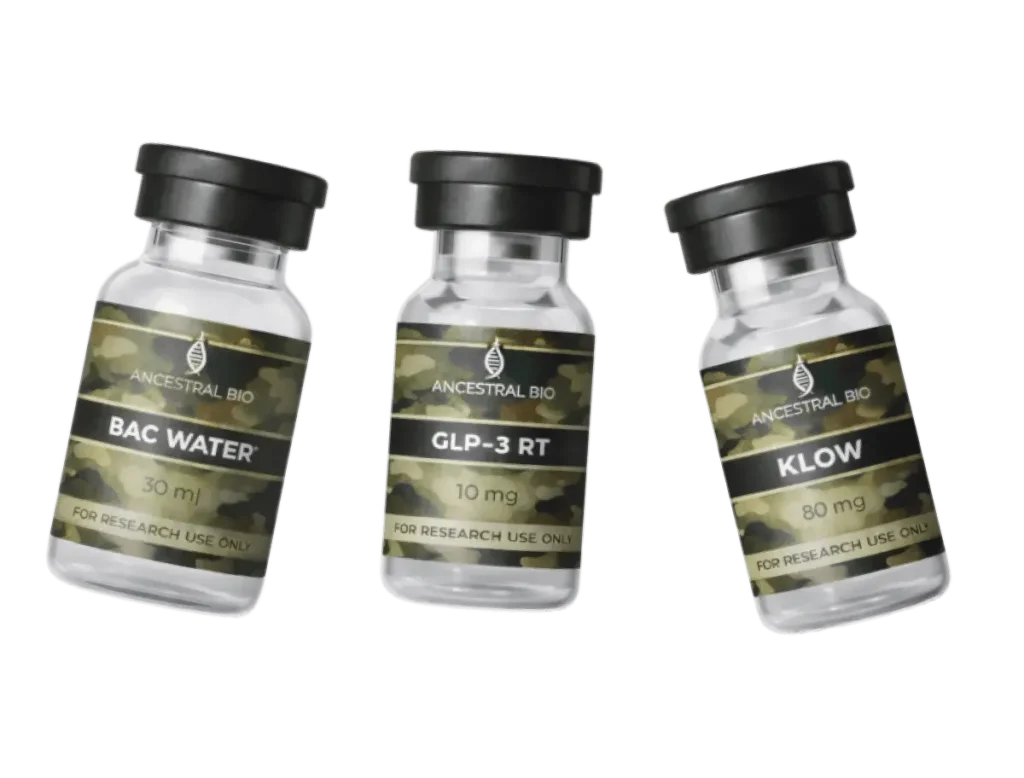
Nootropic Peptide Research: Protocols for In-Vitro Neurobiological Assays
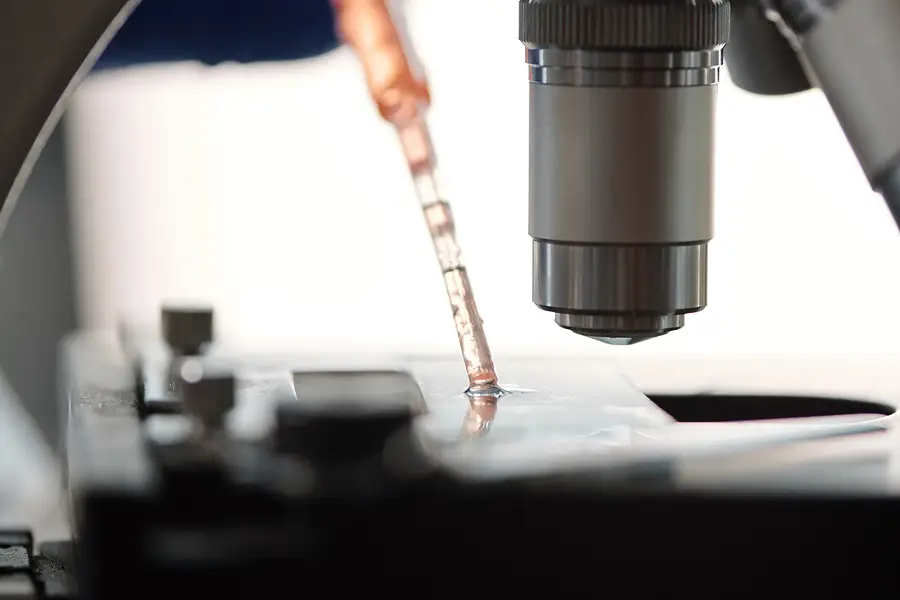
Evaluating synthetic neuro-peptides requires precise environmental controls to maintain molecular integrity and ensure accurate assay readings. When analyzing synaptic signaling or peptide stability in non-clinical models, minimizing background variables is critical for accurate in-vitro neurobiology studies.
Understanding the structural mechanics and proper handling of research compounds allows lead researchers to maintain longitudinal consistency across testing sequences.
Molecular Considerations in Neuro-Peptide Evaluation
Synthetic analogs engineered for neurobiological research often feature specific modifications—such as N-terminal acetylation or C-terminal amidation—designed to resist enzymatic breakdown during observation.
When introducing compounds such as our Adamax research peptide into cell culture models, researchers must account for baseline peptide solubility parameters to prevent unwanted aggregation or rapid degradation in media suspensions.
Recommended Laboratory Handling Steps
- Solvent Compatibility: Always confirm whether the target peptide dissolves best in sterile bacteriostatic water or buffered solutions (such as PBS) before broad application.
- Thermal Monitoring: Avoid repeated freeze-thaw cycles. Sub-aliquoting stock solutions immediately after reconstitution prevents structural fatigue caused by temperature fluctuations.
- Assay Environment Control: Keep light-sensitive neuro-peptides in amber vials or dark incubators to prevent UV-induced peptide oxidation during active observation periods.
Conclusion
Precision sourcing and standardized handling form the foundation of reproducible nootropic peptide research. By strictly enforcing climate and solvent parameters, laboratories can ensure consistent, verifiable outcomes in every experimental run.
Adamax, In-Vitro Research, Laboratory Protocols, Nootropic Peptides, Peptide Reconstitution