Sterile Workspace Preparation and Decontamination Protocols
Introduction
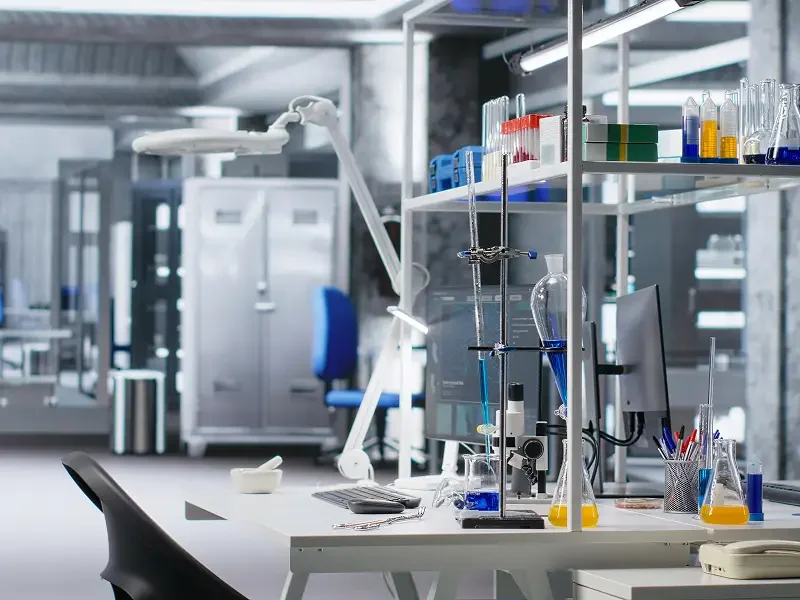
Maintaining strict environmental controls is essential to preserve the integrity of lyophilized research compounds like our Wolverine Blend. Environmental contamination during preparation or handling can rapidly degrade compound stability and invalidate experimental data. The following protocols outline the baseline requirements for workspace preparation and post-procedure decontamination.
1. Primary Workspace Sterilization
- Surface Preparation: All handling surfaces must be non-porous and wiped down with a 70% isopropyl alcohol (IPA) solution or an equivalent laboratory-grade disinfectant prior to any procedure.
- Dwell Time: Allow the disinfectant to remain on the surface for a minimum of 30 seconds before wiping with a sterile, lint-free cloth to ensure optimal microbial eradication.
- Equipment Sterilization: All ancillary equipment, including vial crimpers, mechanical pipettes, and measurement scales, must be sterilized before introduction to the primary workspace.
2. Personal Protective Equipment (PPE) Guidelines
- Barrier Protection: Powder-free nitrile laboratory gloves must be worn at all times when handling unsealed vials, solvents, or active solutions.
- Contamination Prevention: A dedicated laboratory coat and particulate mask are recommended to prevent the introduction of organic contaminants into the sterile field.
- Glove Replacement: Gloves must be replaced immediately if a breach occurs or when transitioning between different compound batches to prevent cross-contamination.
3. Environmental and Air Quality Controls
- Airflow: Whenever possible, compound handling should occur within a laminar flow hood or a designated clean space with minimized ambient airflow to prevent particulate settling.
- Temperature: Ensure the ambient room temperature strictly aligns with the specified handling parameters of the compound before removing vials from their primary cooling unit.
4. Post-Handling Decontamination
- Surface Reset: Upon completion of the procedure, all surfaces must undergo a secondary wipe-down utilizing the standard 70% IPA protocol.
- Material Disposal: Used dispensing tools, broken glass, and empty vials must be deposited directly into a designated sharps container or biohazard disposal unit in accordance with standard facility safety regulations.