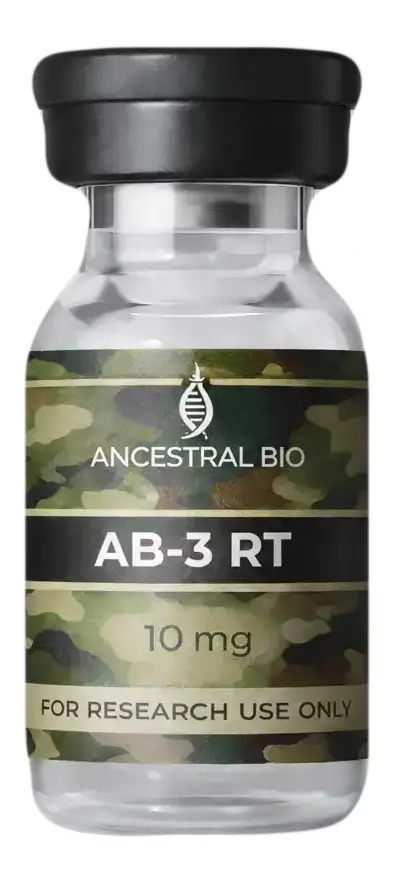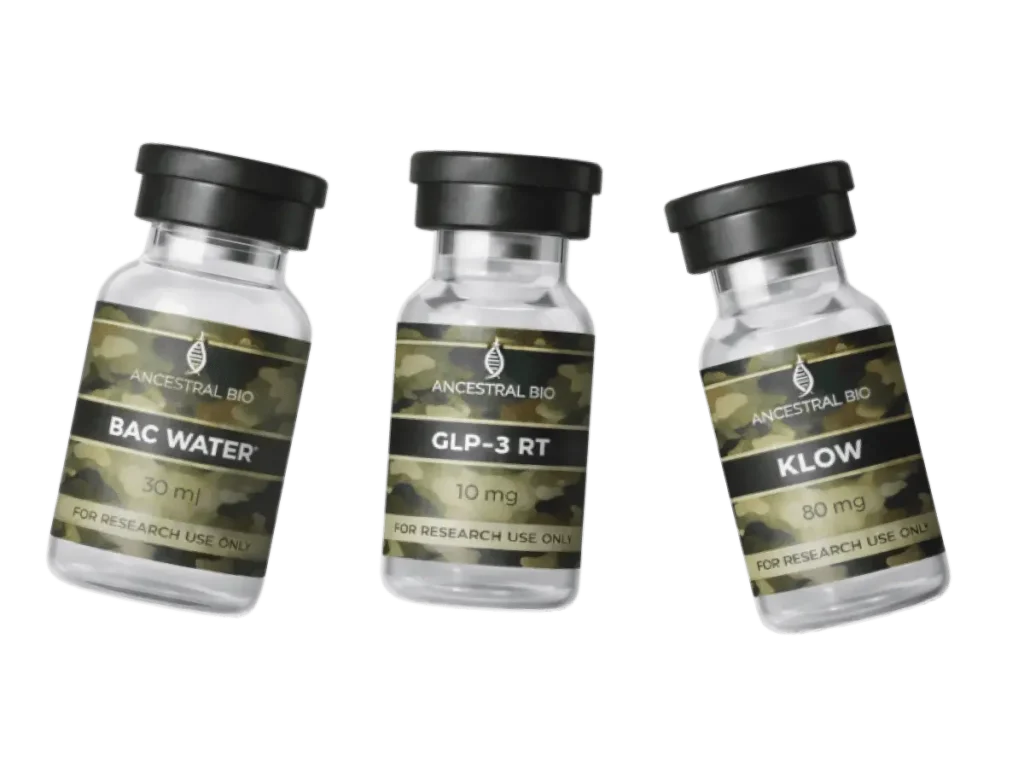
Maintaining the structural integrity of research compounds requires strict adherence to environmental controls. Temperature fluctuations, light exposure, and improper reconstitution methods can rapidly degrade material stability. This document outlines the baseline protocols for laboratory handling.
1. Pre-Reconstitution Storage (Lyophilized State)
Upon delivery, unmixed compounds exist in a lyophilized (freeze-dried) state. While stable during transit, long-term preservation requires immediate temperature control.
- Short-Term Storage (Under 30 Days): Vials can be stored in a standard laboratory refrigerator at 2°C to 8°C.
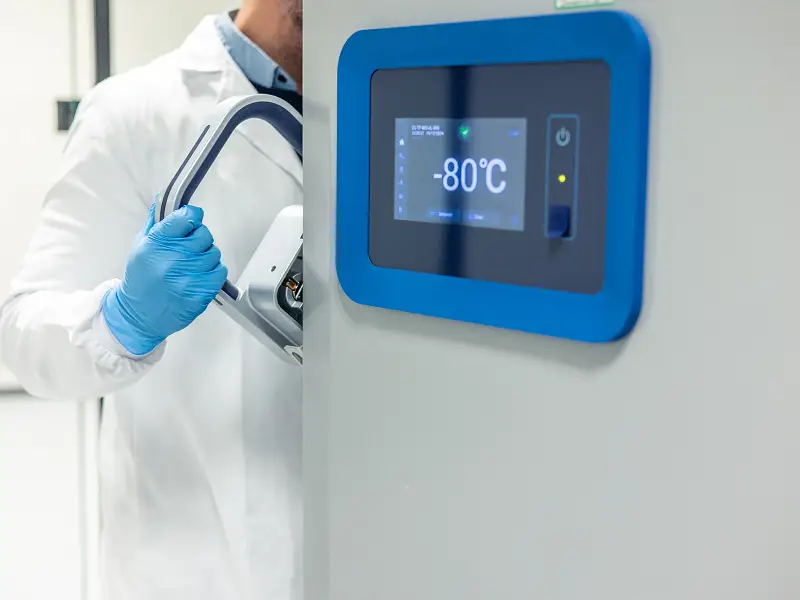
- Long-Term Storage (Over 30 Days): Vials must be transferred to a freezer unit maintaining -20°C.
- Environmental Exposure: Regardless of temperature, all vials must be kept in absolute darkness. UV light and ambient room lighting accelerate degradation.
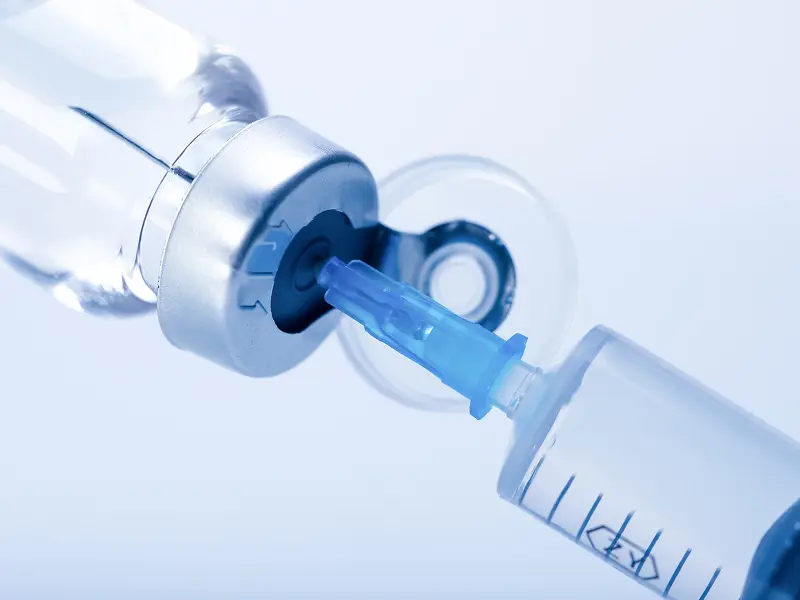
2. The Reconstitution Process
The introduction of a solvent to a lyophilized puck must be executed with precision to prevent shearing the molecular bonds.
- Solvent Selection: Only use sterile bacteriostatic water (BAC) containing 0.9% benzyl alcohol. According to compound data from the National Center for Biotechnology Information (NCBI) PubChem database, this specific concentration of benzyl alcohol functions as a highly effective bacteriostatic preservative, preventing bacterial growth during the research timeline without compromising the primary compound.
- Pressure Equalization: Before injecting the BAC water, inject an equal volume of air into the vial to prevent a vacuum seal, which can cause the liquid to forcefully shoot into the vial and damage the compound.
- Introduction of Liquid: Drip the BAC water slowly down the inner glass wall of the vial. Do not spray it directly onto the lyophilized puck.
- Dissolution: Do not shake the vial. Gently swirl the glass or allow it to sit undisturbed until the solution is completely clear.
3. Post-Reconstitution Storage
Once a compound is reconstituted into a liquid state, its degradation timeline accelerates.
- Temperature: Reconstituted materials must remain refrigerated between 2°C to 8°C at all times. Do not freeze compounds after they have been mixed with water, as the expansion of ice crystals will destroy the molecular structure.
- Shelf Life: Most reconstituted compounds remain highly viable for 14 to 28 days if stored correctly. Beyond this window, efficacy diminishes rapidly.
4. The Domestic Sourcing Variable
Compound degradation often occurs prior to laboratory delivery due to extended transit times and fluctuating cargo temperatures. Sourcing materials domestically ensures minimal environmental variance. All Ancestral Bio research compounds are dispatched directly from our Canadian facility, eliminating border delays, customs holds, and prolonged exposure to uncontrolled environments, ensuring the material arrives at peak purity.